
Welcome to Cable Shmable, your trusted partner for professional fiber optic cabling installation services in San Francisco, CA. Our team is dedicated to delivering cutting-edge solutions that ensure seamless connectivity and optimal network performance. With years of expertise and a commitment to quality service, we cater to both residential and commercial clients seeking reliable and efficient fiber optic infrastructure. Let us help you harness the power of modern technology to meet your communication needs. Explore our services today and discover why Cable Shmable is the go-to provider for fiber optic installations in the Bay Area.

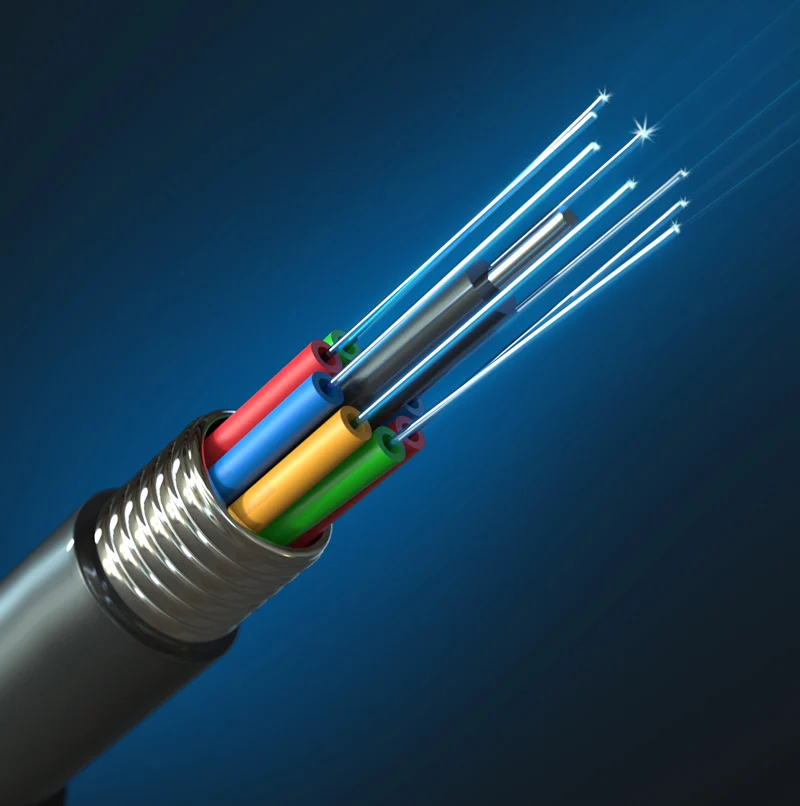
Fiber optic technology presents a multitude of advantages over traditional cabling techniques, making it a preferred choice for modern network setups. At the core of these benefits is the ability of fiber optic cables to facilitate extremely high bandwidth levels. This capability allows data to be transmitted at lightning-fast speeds without signal degradation, a critical factor for networks demanding swift and reliable data transfer. Moreover, fiber optic cables are inherently immune to electromagnetic interference, ensuring data integrity in environments where electronic noise might otherwise corrupt copper cables. The security aspect of fiber optic cabling cannot be overstated. Unlike traditional cables, fiber optic networks are incredibly difficult to tap into without being detected, making them a highly secure option for sensitive data transmission. Additionally, fiber optic cables offer remarkable durability and longevity, requiring minimal maintenance over time. Their construction allows them to withstand harsh environmental conditions, such as extreme temperatures and water exposure, without compromising performance. As a result, businesses in bustling hubs like south San Francisco can rely on fiber optic cabling for continuous operation and resilience against metropolitan challenges. The technology behind fiber optic cabling systems, such as single-mode and multi-mode fiber cables, provides versatile solutions for different networking needs. Single-mode fiber is ideal for long-distance data transmission, while multi-mode fiber is suited for shorter distances within more localized network settings. Together, these variants ensure that every network infrastructure can benefit from an optimized optical fiber solution. Embracing fiber optic technology is not just an upgrade; it’s a strategic approach to future-proofing a business’s communication infrastructure.
Fiber optics play a pivotal role in enhancing overall connectivity by providing a robust backbone for both local and global networks. These optic networks enable seamless integration and communication, vital in today’s fast-paced technological landscape. By leveraging the high-speed data transfer capabilities of fiber optic cables, businesses and residences alike can experience reliable and efficient internet access, video conferencing, and data streaming without interruptions. One of the standout features of fiber optic networks is their scalability. As a business’s needs expand, the infrastructure can easily accommodate increasing demands for bandwidth and speed without requiring a complete overhaul of the existing cabling system. This scalability is particularly beneficial in a tech-driven city like San Francisco, where the demand for innovative solutions continues to grow rapidly. The ability of fiber optic cabling to effortlessly support burgeoning technologies, such as cloud computing and IoT devices, ensures businesses remain agile and competitive. In addition to speed and scalability, fiber optic technology enhances connectivity by promoting energy efficiency. Optical fibers consume significantly less power compared to traditional copper cables, contributing to a reduced carbon footprint and lower energy costs. This energy efficiency is increasingly important for eco-conscious businesses aiming to minimize their environmental impact. Furthermore, the lightweight nature of optic cables facilitates easier installation and management, making them an attractive option for network upgrades. With the integration of fiber optic cables, south San Francisco is poised to lead the way in network innovation, offering unparalleled connectivity options to businesses and residents alike. The transition to fiber optics is more than an upgrade; it’s a step towards a more connected, efficient, and sustainable future, paving the way for continued advancements in digital communications across the Bay Area.
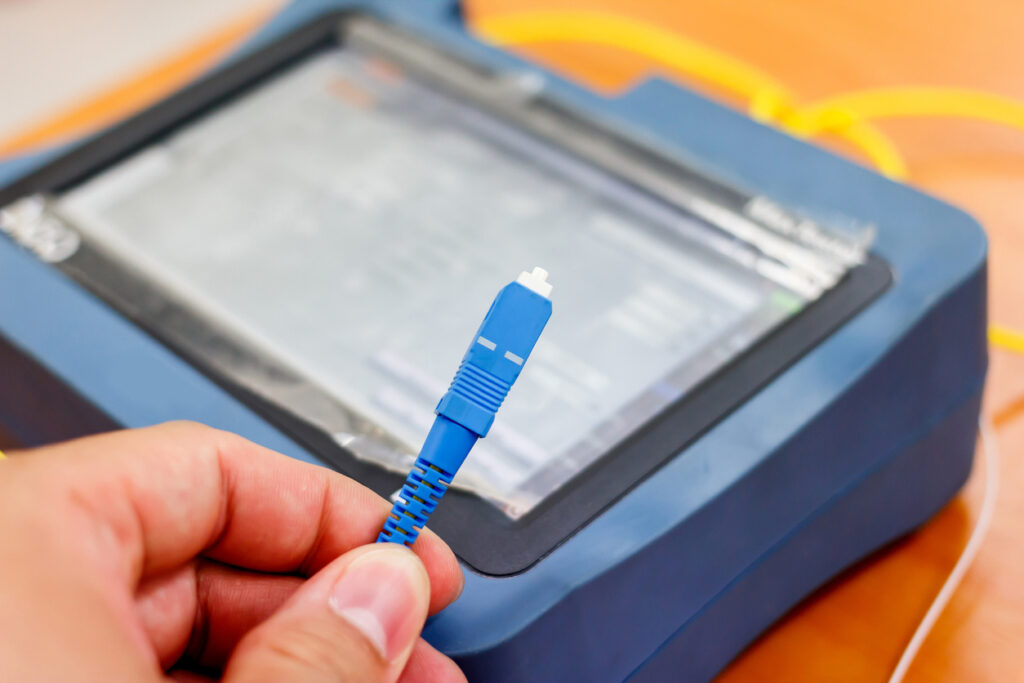
Fiber Optic Termination
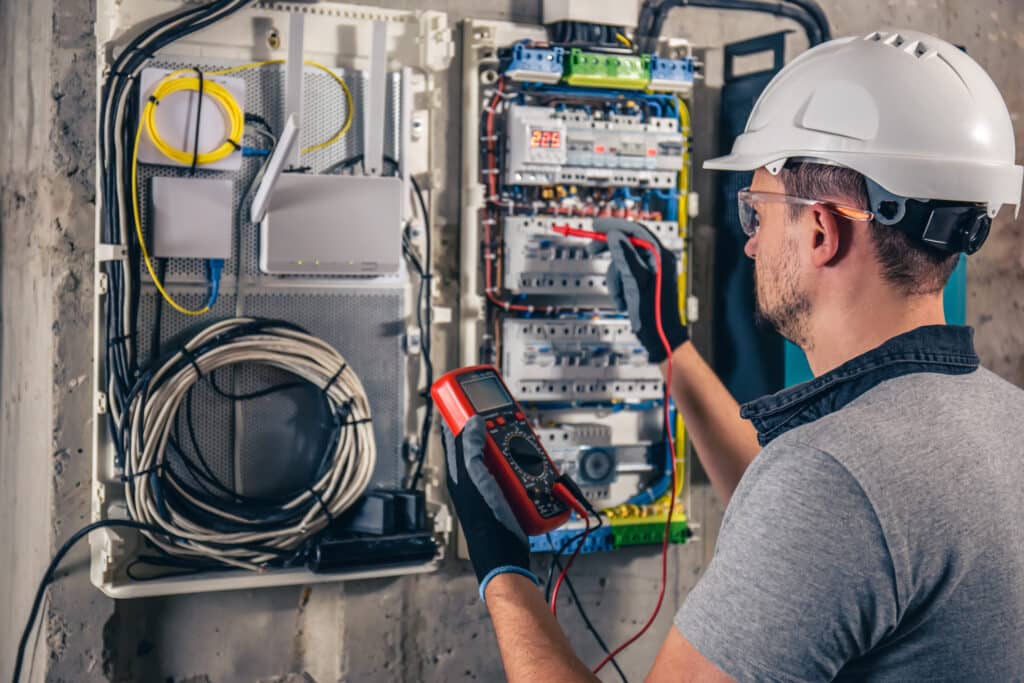
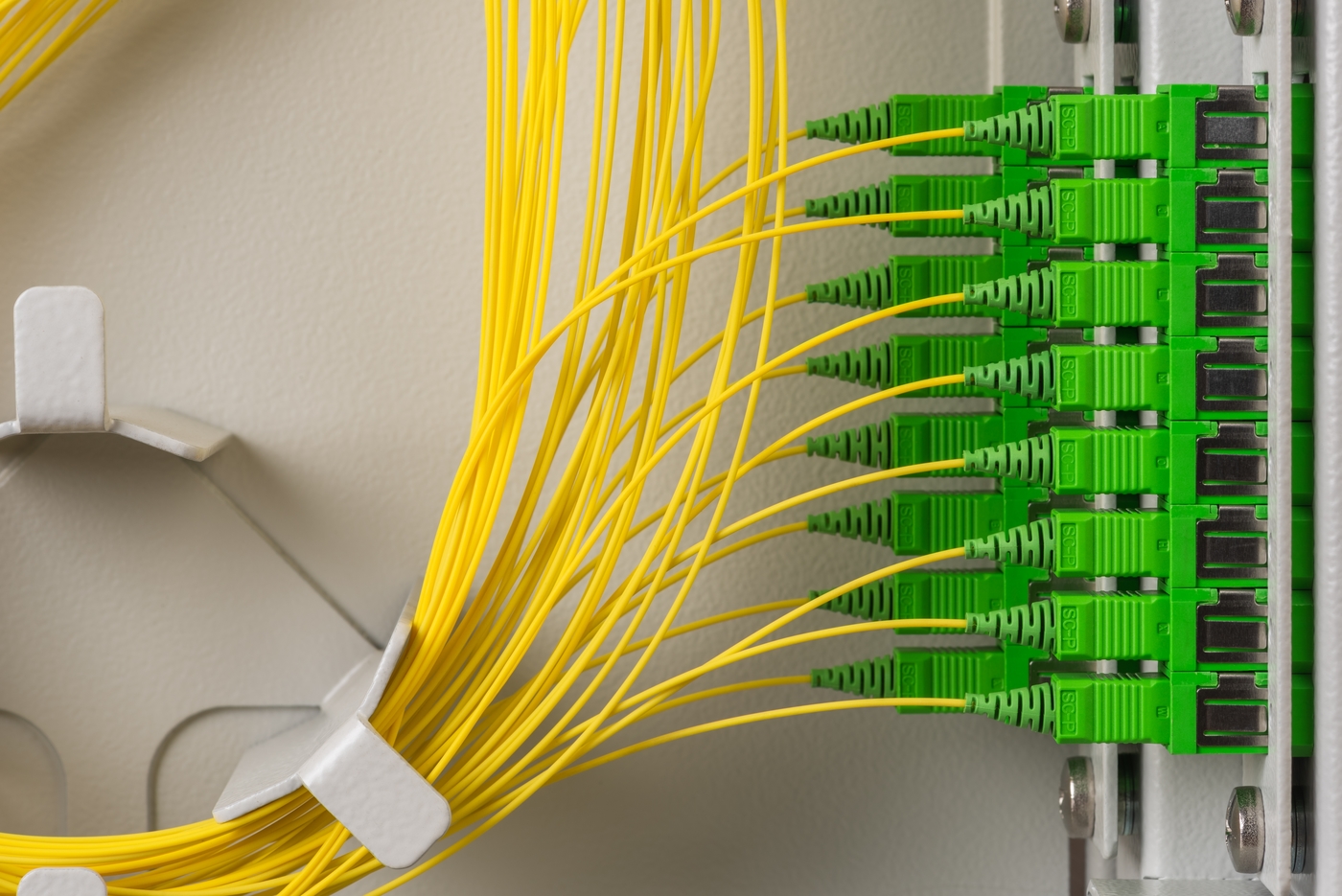
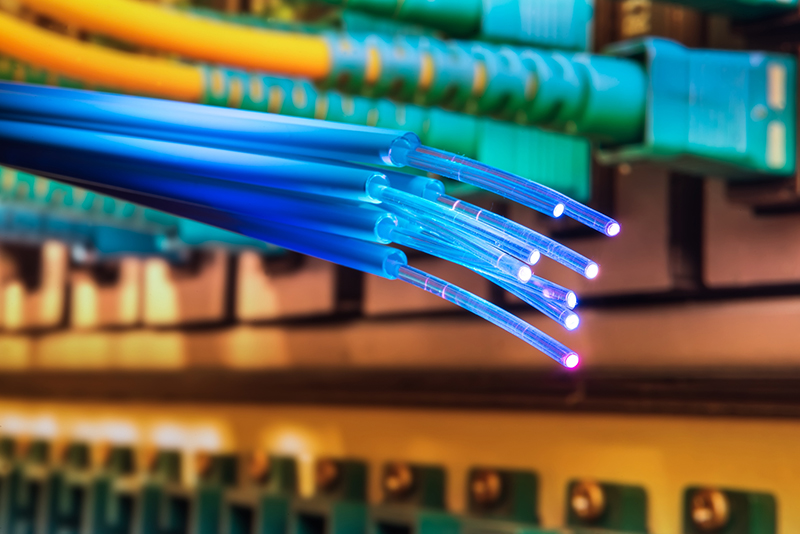
Cabling installation in a bustling metropolis like San Francisco presents unique challenges that require expert handling. The city’s diverse architecture, ranging from historic buildings to modern skyscrapers, demands adaptable solutions from cabling contractors. One significant challenge is ensuring compatibility with the existing building infrastructures. Many older buildings in San Francisco may not be designed to accommodate modern fiber optic systems, necessitating customized approaches. Contractors must carefully assess the existing conditions and determine the best methods to integrate new cabling without compromising structural integrity or aesthetic appeal. Another major challenge is the dense urban environment which can complicate the installation process for cabling contractors. Navigating through busy streets and working around already crowded utility corridors requires precise planning and execution. Additionally, contractors must work within the constraints of limited installation windows, often having to coordinate with building management and city officials to minimize disruption to residents and businesses. This necessitates a flexible approach and possibly working during off-peak hours, which introduces logistical complexities. Furthermore, the equipment used in cabling installation must be carefully chosen to ensure durability and performance under San Francisco’s environmental conditions. Contractors must select equipment capable of withstanding the city’s seismic activity and harsh weather conditions. As installation progresses, maintaining a strict adherence to safety protocols is crucial to prevent accidents and ensure worker safety. Addressing these challenges demands a blend of technical expertise, strategic planning, and an understanding of the local landscape to successfully implement fiber optic systems in the ever-evolving city of San Francisco.
Ensuring quality and safety standards in cabling installation is a non-negotiable aspect for any cabling contractor operating in San Francisco. The city’s dynamic environment imposes various regulatory and practical constraints that must be adhered to for successful installation. Quality assurance begins with the selection of high-grade materials and equipment that can withstand the unique demands of the area. Contractors must ensure the use of robust optic cables and connectors that promise lasting performance even in demanding scenarios. Safety is intrinsically tied to quality during installation. It is essential for contractors to follow stringent safety protocols to protect both the installation team and the public. This includes utilizing the right safety equipment and ensuring that all installations comply with local building codes and regulations. In San Francisco, where seismic activity is a consideration, additional safety measures must be integrated, such as selecting equipment and installation techniques designed to manage the potential impacts of tremors. Moreover, maintaining security standards is vital due to the confidential nature of the data transmitted over these networks. Contractors need to implement measures to safeguard against data breaches, often using advanced security protocols to protect the network from unauthorized access or interference. This security extends beyond the physical integrity of the installation, requiring a nuanced understanding of cybersecurity threats and mitigation strategies. Throughout the installation process, continual audits and inspections ensure that all aspects meet the predetermined standards of quality and safety. By adhering to these rigorous standards, cabling contractors in San Francisco can deliver installations that are not only highly functional and durable but also secure and reliable, contributing to the overall technological advancement and connectivity of the city.
| Challenge/Standard | Description | Solutions/Approaches | Importance |
|---|---|---|---|
| Compatibility with Existing Infrastructure | Ensuring new cabling systems integrate seamlessly with older infrastructure. | Conduct thorough assessments and use adaptive technologies. | Prevents disruptions and maintains service continuity. |
| Navigating Dense Urban Environment | Challenges related to restricted space and complex city layouts. | Implement strategic planning and use innovative routing techniques. | Ensures efficient installation without compromising city aesthetics. |
| Adhering to Safety Protocols | Meeting stringent local and federal safety standards during installation. | Regular training and compliance checks for all installation personnel. | Critical for safeguarding workers and the public while avoiding legal issues. |
| Maintaining High-Quality Standards | Ensuring installations meet the highest industry quality benchmarks. | Utilization of top-grade materials and rigorous quality assurance processes. | Ensures long-term reliability and customer satisfaction. |
This table highlights the complexities of cabling installation in San Francisco and the essential strategies used to uphold quality and safety standards amidst the city’s unique challenges.
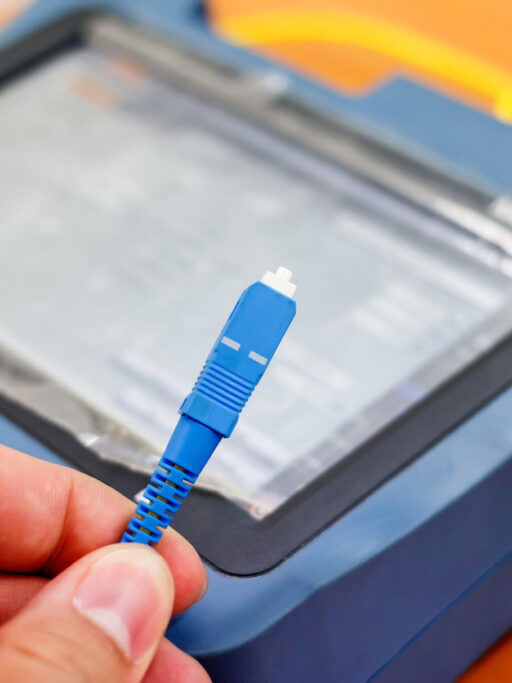
Structured Cabling: The Backbone of Communication
Structured cabling serves as the essential foundation for seamless communication in contemporary networks. Especially in technology-driven environments like San Francisco, structured cabling systems facilitate efficient data transfer, supporting diverse networking needs from simple office setups to large commercial networks. This framework organizes and standardizes network cabling to enhance performance, scalability, and reliability. Furthermore, structured cabling encompasses a variety of components and methodologies that influence overall system efficiency. Understanding the key components and how these structured solutions enhance operational efficiency is crucial for businesses aiming to maintain a competitive edge in the dynamic Bay Area.
The effectiveness of a structured cabling system hinges on several critical components that ensure seamless information flow and connectivity across networks. One of the primary elements is network cabling, which includes fiber optic cables known for their high bandwidth and minimal signal degradation capabilities. Fiber optic cables, whether single-mode or multi-mode, play a pivotal role in supporting high-speed data cabling, making them ideal for commercial environments in San Francisco where robust connectivity is essential. Optical fibers use light signals to transfer data, providing a swift and reliable communication backbone for businesses. Besides cabling itself, other integral components include patch panels, racks, and cable management solutions, all of which contribute to the structured organization of a network. Patch panels act as centralized hubs where connections are managed, facilitating network changes and troubleshooting. Proper cable management ensures neat, easily accessible cabling arrangements that reduce clutter and improve both aesthetics and airflow in data centers. This reduces the risk of overheating and enhances the longevity and efficiency of the network infrastructure. Installation quality is another cornerstone of effective structured cabling systems. Employing experienced contractors ensures adherence to industry standards and optimal cabling installation practices. Precision in installation minimizes disruptions and assures that networks operate smoothly under high load conditions. Reliability of data transmission across structured cabling systems is indispensable for businesses, particularly in sectors that rely heavily on uninterrupted connectivity, such as finance and healthcare. By incorporating these key elements, structured cabling systems offer scalable solutions that can grow with business needs, ultimately providing a robust foundation for future technological advancements.
Enhancing system efficiency through structured cabling systems provides a strategic advantage for businesses in fast-paced markets like San Francisco. These solutions not only support current data cabling requirements but also anticipate future needs, allowing effortless upgrades without overhauling the existing infrastructure. Structured cabling is built on flexibility, accommodating various commercial demands by integrating seamlessly with innovative technologies such as cloud computing and IoT devices. This flexibility empowers businesses to adapt rapidly to technological shifts without significant disruptions or additional costs. Efficiency is also amplified through reduced downtime and maintenance needs. Well-organized structured cabling systems distinguish themselves by minimizing network errors and facilitating quick troubleshooting. If an issue arises, the modular nature of structured networks allows for rapid identification and isolation of faults, preventing widespread network failures. This reliability is vital for maintaining productivity, as even minor interruptions could result in significant financial losses in sectors heavily dependent on network availability. Moreover, structured cabling promotes sustainability by optimizing energy consumption. Modern structured networks utilize energy-efficient components, such as switchgear and network hardware that consume less power while delivering high performance. This translates to lower operational costs and aligns with eco-friendly initiatives prevalent in technology-oriented cities. Businesses pursuing green technologies find structured cabling solutions attractive due to their low carbon footprint and compliance with environmental standards. Finally, structured cabling systems enable standardized deployments across multiple locations, ensuring consistency and ease of management for businesses with regional or global offices. By investing in structured cabling solutions, organizations set a precedent for streamlined communication, heightened system efficiency, and adaptability in the ever-evolving digital landscape. These optimized environments ensure businesses remain competitive, capable of harnessing the full potential of emerging technologies in the vibrant San Francisco business community.
Innovations in Network Services in San Francisco
San Francisco stands at the forefront of technological innovation, with network services constantly evolving to meet the demands of a rapidly growing tech landscape. The city is not just keeping pace but is actively setting trends when it comes to advancements in fiber cabling and network infrastructure. As the need for robust and high-speed connections increases, innovations continue to shape the future of connectivity. Explore how the Bay Area is pushing the envelope in network technology, focusing on adapting to an ever-growing demand for efficiency and performance.
The Bay Area, particularly San Francisco, has become a nerve center for innovation, pushing the boundaries of what’s possible in network services. Businesses large and small are increasingly relying on sophisticated network infrastructures to support their evolving needs, making it crucial to adapt swiftly to growing demands. As tech giants and startups alike flourish, the pressure on existing network systems has mounted, necessitating rapid adaptations to continue delivering high standards of service. One of the critical adaptations lies in the switch to more efficient fiber optic network systems throughout the Bay Area. By transitioning away from older copper networks, providers are meeting the increasing demand for high-speed internet and seamless connectivity, both essential for today’s digital enterprises. In particular, San Francisco’s strategic implementation of single-mode and multi-mode fiber cabling demonstrates a keen understanding of diverse needs, from long-distance data transmission to high-speed local networks required by burgeoning tech firms. Furthermore, support services play a significant role in this adaptive climate, ensuring networks are not only installed but maintained and upgraded as technology advances. The increasing mode of remote work has also propelled changes within network systems, with businesses needing reliable, secure connectivity solutions to manage a dispersed workforce. As such, robust support services are more critical than ever, offering necessary backups and redundancies to handle interruptions and maximize uptime. San Francisco’s unique environment, with its mix of old and new infrastructures, poses challenges that these network adaptations address head-on. From seismic activity considerations to iconic architectures, solutions are tailored to overcome environmental hurdles while supporting the city’s perennial tech boom. Consequently, adaptation in the face of growing demand is not merely about keeping pace but seizing the opportunity to innovate, redefine standards, and set new benchmarks in network service delivery in one of the world’s most progressive tech hubs.
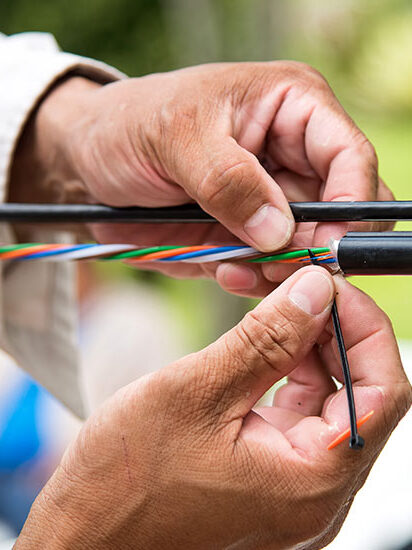
At Cable Shmable, we pride ourselves on offering top-notch fiber optic cabling solutions tailored to meet the dynamic needs of San Francisco businesses. Our experienced technicians are ready to handle projects of any scale, ensuring seamless connectivity and superior performance. Whether you’re upgrading existing systems or installing new infrastructure, our commitment to quality and excellence guarantees your satisfaction. Contact us today to discuss your requirements and experience the future of high-speed communication firsthand with our expert team at your service.